Trump cancels planned Iran attack at request of Saudi Arabia, UAE, and Qatar as nuclear talks resume. Iran issues military warning, Gulf states fear retaliation. Latest on U.S.-Iran diplomacy.
Washington D.C. – In a significant shift in Middle East policy, former U.S. President Donald Trump announced that he has cancelled a planned military strike on Iran, originally scheduled for Tuesday, following direct appeals from key Gulf Arab nations.
In a post on his social media platform, Trump revealed that the leaders of Qatar, Saudi Arabia, and the United Arab Emirates personally requested the halt, citing ongoing “serious negotiations” with Tehran.
“I was asked to stand down by our friends in the Gulf,” Trump wrote. He added that he had been informed a potential deal could be reached that is “very acceptable” to the United States, reiterating his firm stance: “NO NUCLEAR WEAPONS FOR IRAN!”
However, the former president issued a stark warning to Iranian leadership. He stated that the U.S. remains prepared to launch a “full, large scale assault” at a moment’s notice should diplomatic efforts fail to produce an agreeable outcome.
Iran’s Military Response and Regional Tensions
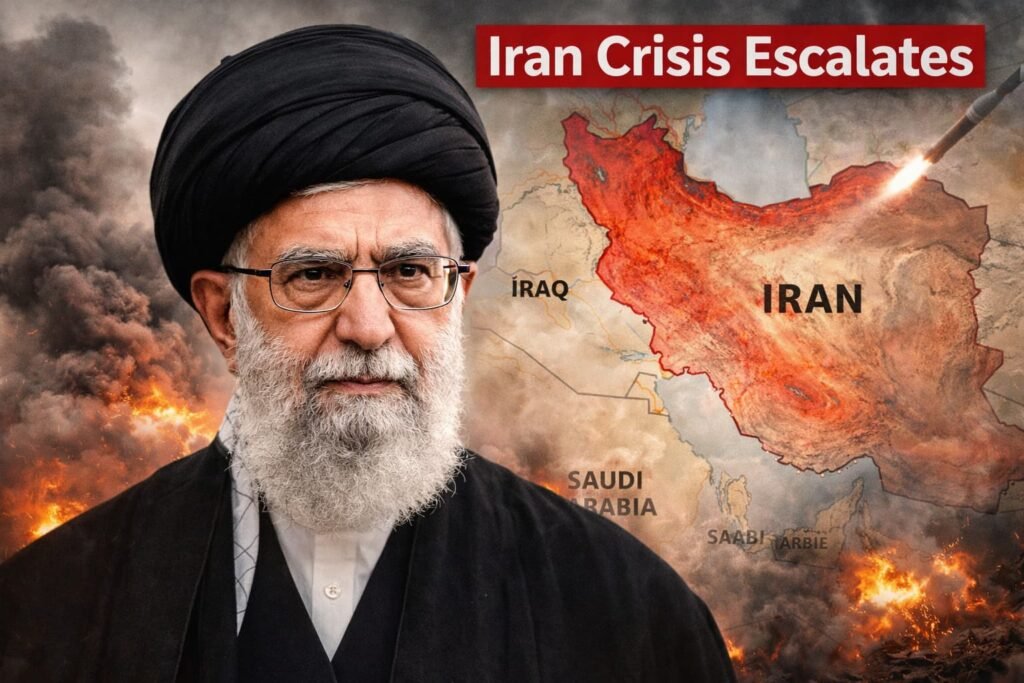
In response, a senior Iranian military commander cautioned the U.S. against repeating what he called “strategic mistakes and miscalculations.” Tehran continues to assert that its nuclear program is for peaceful purposes, while Western allies maintain that uranium enrichment activity suggests weapons development.
The Strait of Hormuz—a vital chokepoint for 20% of the world’s oil and liquefied natural gas—remains under Iranian control, contributing to global energy price volatility. Iran has also signaled it could expand conflict to new fronts, targeting vulnerabilities in neighboring states.
Gulf States Fear Retaliation
A key factor influencing the U.S. decision is the apprehension among Gulf Arab states regarding Iran’s retaliatory capabilities. Intelligence assessments suggest Iran retains a substantial arsenal of drones and missiles capable of striking:
· Regional airports and military installations
· Petrochemical complexes
· Critical desalination plants that supply drinking water, particularly crucial during the Gulf’s intense summer heat
Ceasefire and Diplomatic Channels
A ceasefire agreement brokered in April has largely held, despite sporadic exchanges of fire. Communication between Washington and Tehran continues through Pakistani mediators, according to Iranian state media.
On Monday, Iran confirmed it had responded to the latest U.S. proposal. Meanwhile, Iranian media reported that Washington has failed to offer concrete concessions. Tehran’s demands reportedly include:
- An immediate cessation of hostilities on all fronts
- An end to the U.S. naval blockade of Iranian ports
- Guarantees against future military attacks
- Compensation for war-related damages
- Recognition of Iranian sovereignty over the Strait of Hormuz
U.S. Conditions and Nuclear Sticking Points
In response, Washington has reportedly set five conditions, including:
· Allowing only one Iranian nuclear site to remain operational
· Transferring Iran’s stockpile of highly enriched uranium to the U.S.
Trump suggested on Friday that he would accept a 20-year suspension of Iran’s nuclear program—a notable shift from previous demands for a complete and permanent end.
Domestic Political Pressures
The announcement comes amid declining approval ratings for Trump and growing public opposition to overseas military engagement. A New York Times/Siena College poll published Monday found:
· 64% of voters believe entering war with Iran was the wrong decision
· Only 37% approve of Trump’s job performance as president
The survey highlights potential challenges for Republicans in upcoming midterm elections, as voters express frustration over war fatigue, economic management, and immigration policy.
What Comes Next?
Speaking to reporters, Trump described the diplomatic opening as “a very positive development, but we’ll see whether or not it amounts to anything.” He added, “If we can do that without bombing the hell out of them, I would be very happy.”
As tensions remain high, the world watches whether renewed talks can bridge the gap between Washington’s nuclear demands and Tehran’s regional sovereignty claims.